Latest Blogs



1st
Event
Technology
1st
New Event
Technology
1st
Conference
Technology
1st
Event
App
1st
People’s Choice
Award
2nd
Attendee Management
Technology
3rd
Event Management
Solution
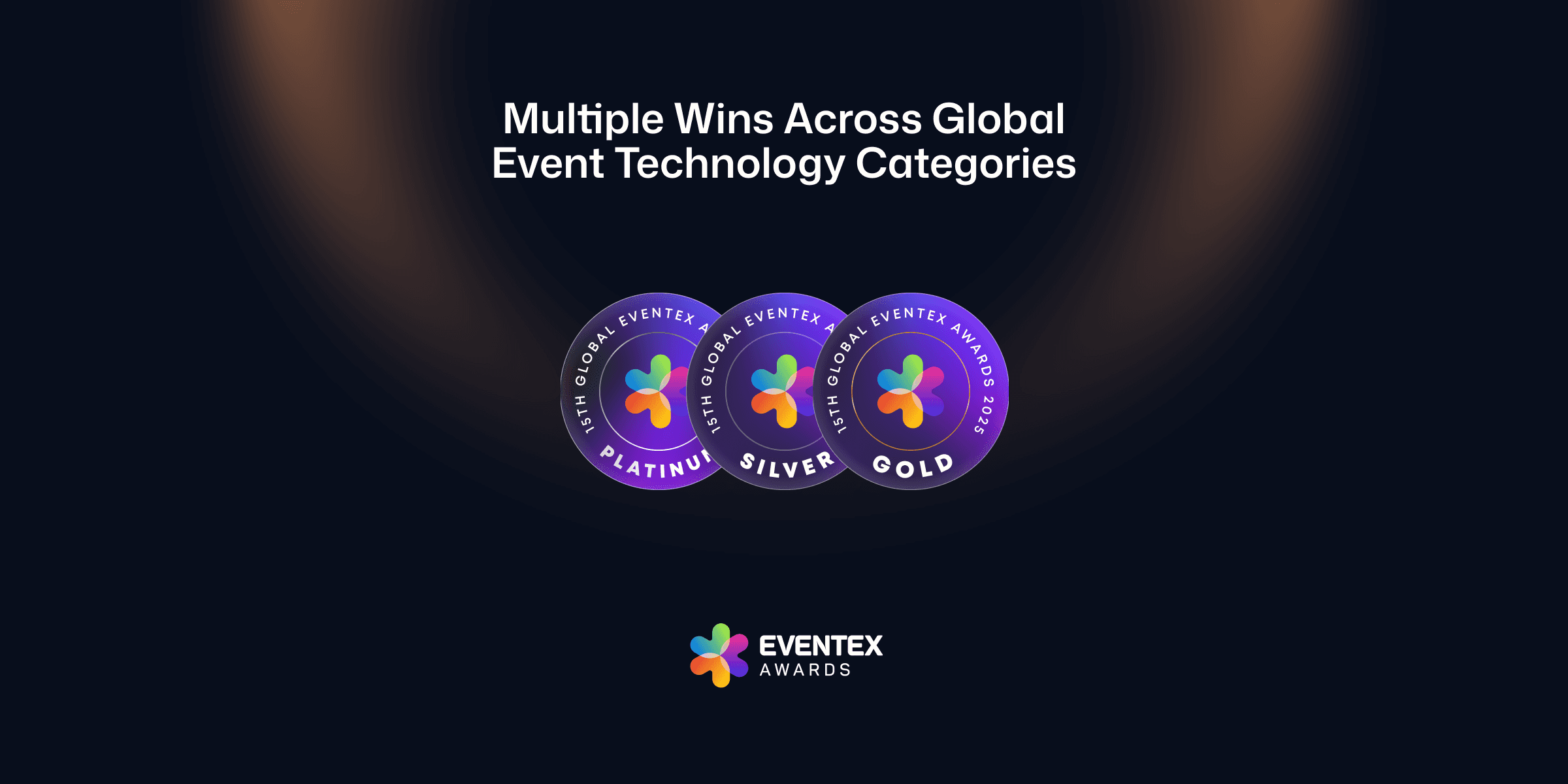
Event execution is stressful even when everything goes right. When it does not, the cracks usually start in the same place: disconnected tools, delayed updates, overloaded teams, and guest experiences that feel far less polished than the brand promise. Blink’s recent seven-award run matters because it points to something buyers care about deeply in 2026: not more software, but a more unified operating system for complex events. Based on the materials you shared, Blink won across Event Technology, New Event Technology, Attendee Management Technology, Conference Technology, Event App, Event Management Solution, and People’s Choice Event Technology.
This article is written for marketers, business owners, and anyone evaluating an event management system. The goal is simple: break down what Blink actually did well, why those strengths likely translated into awards, and what capabilities buyers should be looking for in any serious platform.
1. A centralized command center
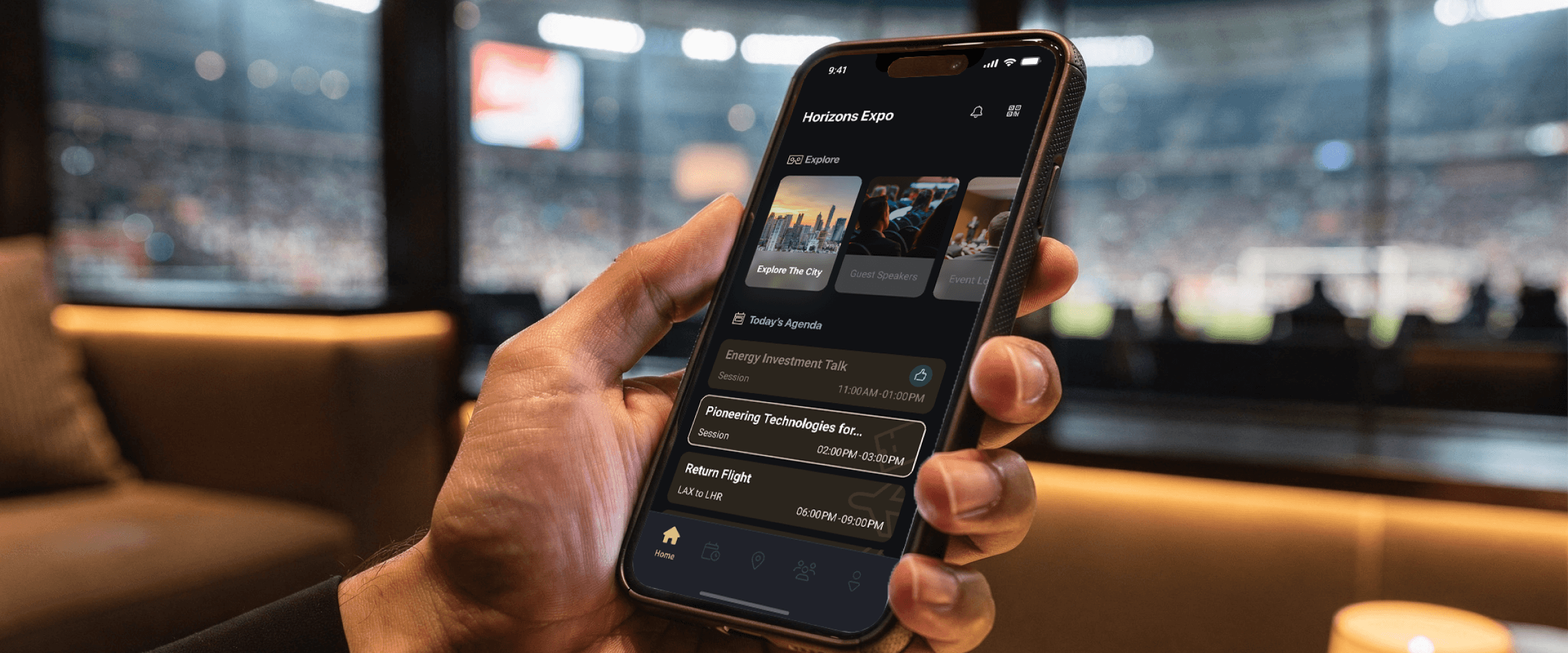
The first capability behind Blink’s award momentum is the one too many event platforms still fail to get right: centralization. In the material you shared, Blink’s Management Dashboard is described as the command center for registration, badge allocation, seat assignments, workflow automation, and real-time analytics. The Organizer App extends that by helping staff manage check-ins, session capacities, and instant notifications across guests, drivers, and organizers.
Why does that matter? Because this is exactly how teams break down silos. Instead of spreading critical operations across separate systems and disconnected handoffs, Blink brings operational visibility into one environment. That is likely one reason the platform performed so strongly in broad categories like Event Technology and Event Management Solution. Jury feedback reinforces this.
Sujoy Cherian called out “the integration of logistics, networking, and data intelligence into a single, real-time system” and described Blink as “a gold standard platform that balances complexity with user centric simplicity.” Diogo Bobsin similarly described it as “a one-stop shop for everything” with “great AI-enhanced add-ons.”
On integration/context, the files you shared do not mention Slack, Google Drive, or other third-party integrations. What they do show clearly is an internal ecosystem integration across the Management Dashboard, Organizer App, VIP App, Driver App, and Blink Shop. That is the context buyers should pay attention to here: Blink’s story is not point-tool integration. It is end-to-end orchestration inside one connected platform.
2. Real-time operational adaptability
A second reason Blink stands out is its emphasis on real-time change handling. The concept section repeatedly points to schedules that adapt in real time, logistical issues resolved before they surface, instant notifications, and live operational adjustments. The creativity section goes further, describing instant seat assignments, automated check-ins, real-time itinerary adjustments, and direct driver communication.
This is important because event stress is rarely caused by the plan itself. It is caused by what happens after the plan collides with reality. A platform that can “Tetris” operational change across people, schedules, logistics, and communications saves teams time in the moments that matter most. That is a strong fit for why Blink performed so well in New Event Technology and Conference Technology.
Andre Codespoti called Blink “a game-changing platform” with “a deeply integrated ecosystem spanning AI matchmaking, real-time logistics, and personalized VIP experiences.” Michaela Jeffery-Morrison specifically highlighted “real-time adaptive scheduling, automated check-ins, and instant driver coordination, eliminating friction.”
The “why” here is straightforward: real-time adaptability boosts transparency and reduces operational lag. Teams do not just know what was supposed to happen. They know what is happening now. That is a major difference in high-stakes conferences and VIP environments, where delayed updates quickly become visible to guests. Przemysław Witkowski’s “luxury Swiss watch of event tech” comment captures that perception well: precise, dependable, and built for high-pressure moments.
3. Personalized attendee journeys
A third capability is personalization at the experience layer. The files describe Blink’s VIP App as delivering custom schedules, real-time updates, relevant session recommendations, integrated travel and accommodation details, and a highly personalized event journey from arrival to departure. That is not generic “engagement.” It is a more deliberate attempt to make the event feel tailored, especially for premium audiences.
This is one of the clearest reasons Blink likely won in Attendee Management Technology and Event App. Those categories reward more than backend control. They reward attendee value. Jury comments line up with that.
Jessica Willis said, “I like that this offers a very personalised journey for attendees. Seamless and slick.”
Liz Caruso wrote, “Planners have been looking for a platform like this for a long time - seems very seamless to use and very robust.”
Tahira Endean called it “a next evolution in mobile apps for the scale of events that demand high-touch service in crowded spaces.”
Why does this matter commercially? Because personalization saves time for the guest while protecting brand perception for the organizer. People do not need to hunt for what matters to them. The platform surfaces the right schedule, the right updates, and the right context. In high-touch events, that translates directly into smoother arrivals, better engagement, and fewer avoidable service moments. The files do not mention external integration partners here either, but they do show that personalization is strengthened by Blink’s own connected ecosystem of scheduling, communications, transport, and networking.
4. AI-powered matchmaking and networking intelligence
If one capability gave Blink a more future-facing edge, it is this one. The materials state that Blink used AI-powered networking and network intelligence to align guests with relevant industry leaders, shared business objectives, and real-time interaction patterns. The submission also states that this innovation saw 90% adoption among decision-makers at Sportico 2024.
That matters because networking is often treated as a passive feature in event apps. Blink positioned it as an active intelligence layer. That likely helped it in New Event Technology, Event App, and broader innovation-led categories.
Melissa Deslauriers explicitly praised “the AI integration and real-time tracking.” Michaela Jeffery-Morrison highlighted “AI-powered VIP matchmaking” as a defining innovation. Andre Codespoti framed Blink as the future of elite gatherings precisely because of this combination of AI, logistics, and personalized experience.
The “why” is simple: better matchmaking raises the strategic value of the event itself. It is not just about making the app more interesting. It is about increasing the quality of introductions, relevance of connections, and usefulness of time onsite.
The files also mention executive praise from users, including Joe Ravitch, who called Blink “the best event app I’ve ever used,” with emphasis on its bios and insights, and Michael Rees, who highlighted its timeliness for networking. That gives this capability both product credibility and market credibility.
5. Logistics and transport coordination inside the event ecosystem
Many event platforms stop at registration and agenda management. Blink’s materials make a point of going further. The Driver App includes live tracking, guest-driver chat, and dynamic scheduling. The wider logistics layer includes direct driver communication, instant seat assignments, itinerary adjustments, and smooth transport coordination. Abi Cannons specifically noted that she loved “the integration of travel plans and driver comms,” adding that she had not seen that elsewhere.
This is a major reason Blink likely earned recognition in Conference Technology and Event Management Solution. Why? Because logistics is where premium events either feel effortless or fall apart. When transport, access, schedules, and guest communications are managed in one flow, teams save time and reduce friction that would otherwise be handled manually across multiple people and channels. That is exactly the kind of operational value jury members were responding to when they described Blink as cohesive, dependable, and built for high-stakes events.
From an evaluation perspective, this is also where Blink’s internal integration story becomes strongest. The logistics layer is not separate from the attendee experience. It supports it. That is a meaningful distinction for buyers who are tired of stitching together event app software, transport updates, and staff coordination through workarounds.
6. Proven adoption, efficiency, and executive credibility
Awards are easier to win when the story is not only ambitious, but proven. Blink’s results section gives a few concrete signals: a 90% app adoption rate, 125 out of 139 attendees downloading the app, and a 25% reduction in staffing needs through automation of check-ins, seat assignments, and communication. The platform is also described as reducing bottlenecks, minimizing no-shows, and improving event fluidity through dynamic updates.
These results likely helped Blink across almost every category, especially Event Management Solution, Attendee Management Technology, and Conference Technology. Jury and user validation reinforce that.
Joe Ravitch called it “the best event app I’ve ever used.”
Behdad Eghbali praised the “spectacular” hospitality. Michael Shapiro said he loved how the multi functionality integrates into a central command center, and noted the “impressive stats and growing very impressive client list.”
This is the “why” buyers should focus on: adoption proves usability, efficiency proves business value, and executive praise proves experience quality. Plenty of platforms promise intelligence. Fewer can point to real-world use at events involving top executives, major media attention, and high-profile guests while still showing operational gains. That combination helps explain why Blink was recognized across such a broad set of categories.
7. Blink as the unified success platform
The final and most important takeaway is this: Blink did not appear to win because of one flashy feature. It won because the materials present it as a unified event ecosystem. Across the submissions, the recurring pattern is clear: Management Dashboard, Organizer App, VIP App, Driver App, Blink Shop, AI-powered networking, transport coordination, real-time scheduling, workflow automation, analytics, and premium guest experiences all working together.
That makes Blink the strategic self-plug in this list, and fairly so. For marketers, business owners, and event leaders evaluating platforms, Blink is positioned here as the ultimate success platform because it addresses the three pressures that define modern event delivery: operational complexity, guest expectations, and the need for a system that stays coordinated under pressure.
Andre Codespoti’s line may be the strongest summary: Blink delivers “not just operational excellence but strategic value.”
As for the seventh award, People’s Choice Event Technology, the information you shared shows the category win and a count of 153 under People’s Choice Awards, but it does not include jury commentary. So the safest conclusion is that Blink’s support extended beyond judges and resonated with a wider voting audience as well.
Final takeaway
Blink’s seven-award run tells a clean story. The platform was recognized not just for looking polished, but for combining centralized control, real-time adaptability, personalization, AI-driven relevance, logistics coordination, and measurable results into one connected system. That is what buyers should be looking for too. No more fragmented tools. A platform that can carry the event from planning through live execution without losing the thread.